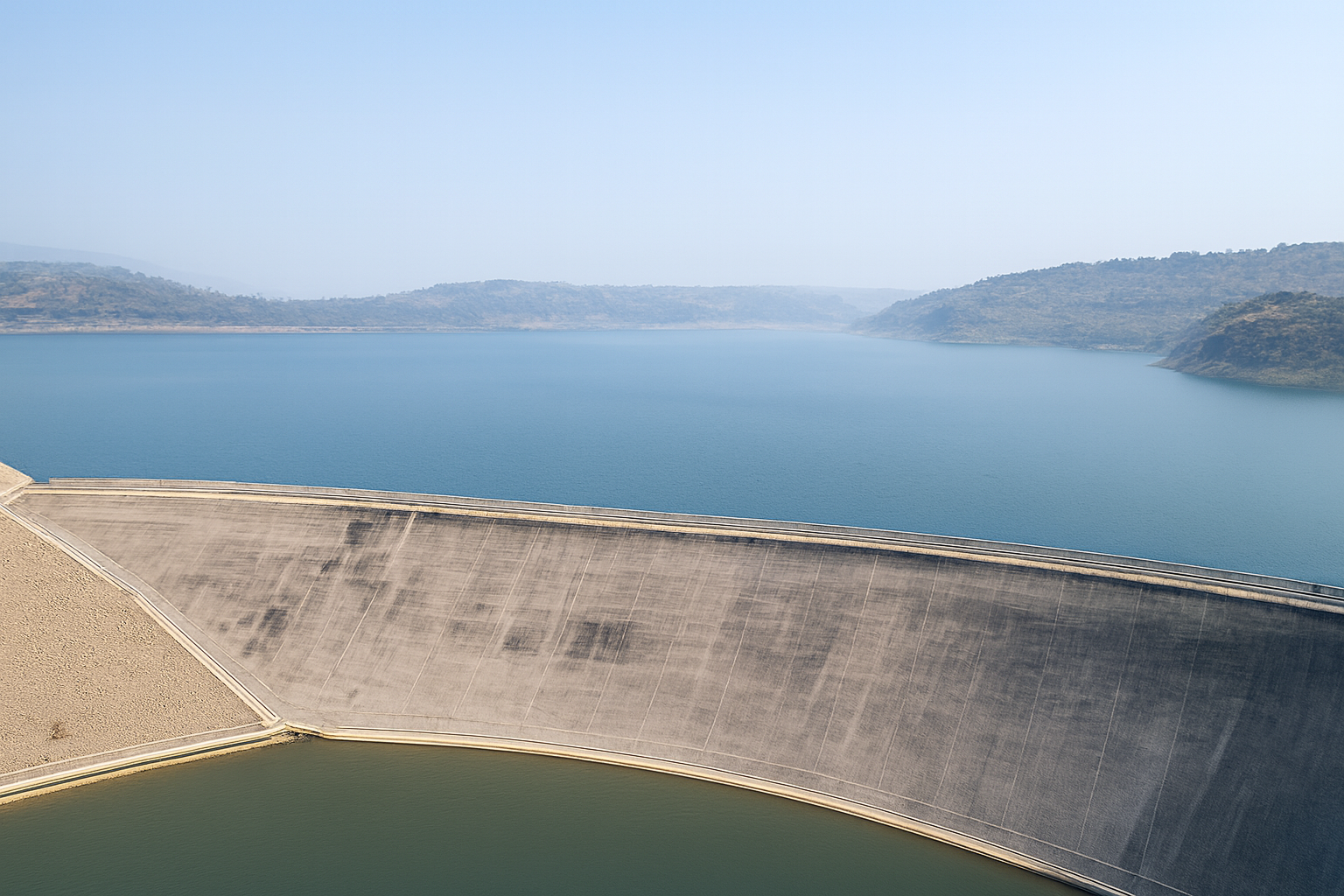
Mangla Dam stands as one of the most iconic landmarks of Dadyal and one of Pakistan’s greatest engineering achievements. Located on the Jhelum River, near the border of Dadyal and Mirpur in Azad Jammu & Kashmir, the dam is a symbol of progress, resilience, and the deep connection between nature and human innovation.
Built during the 1960s as part of the Indus Basin Project, Mangla Dam was designed to store water for irrigation, control floods, and generate hydroelectric power. Today, it is not only a vital source of energy and agriculture but also a breathtaking destination that attracts visitors from across Pakistan and abroad.
A Marvel of Engineering and Beauty
When completed in 1967, Mangla Dam was one of the largest earth-fill dams in the world, standing at an impressive height of 147 meters (482 feet). It created the Mangla Reservoir, covering nearly 250 square kilometers of shimmering water surrounded by rolling green hills. The blend of modern engineering and natural beauty gives Mangla a timeless charm — a place where technology meets tranquility.
The dam’s structure and reservoir have played a critical role in Pakistan’s water and energy infrastructure. It supports hydroelectric power stations that supply electricity to millions, while its waters irrigate vast areas of Punjab, sustaining livelihoods and agriculture.
Scenic Views and Tourism
Beyond its technical importance, Mangla Dam has become a major tourist attraction. The lake’s clear blue waters, boating facilities, and panoramic viewpoints make it one of the most picturesque sites in the region. Visitors can enjoy:
- Boat rides and water sports
- Sunset views from Mangla Top
- Family picnics along the lake’s edge
- Fishing and nature walks
Nearby attractions such as Ramkot Fort, Submerged Villages, and Mangla Water Resort add to its charm, making it a perfect destination for history lovers and nature enthusiasts alike.
History, Sacrifice, and Legacy
The creation of Mangla Dam brought both development and sacrifice. During its construction, several ancient villages were submerged under the reservoir — including parts of old Dadyal and Mirpur. Thousands of families were relocated, many of whom later settled in the United Kingdom, forming the strong Dadyal–UK connection seen today. These submerged villages remain a powerful reminder of resilience, loss, and the enduring spirit of the people.
Mangla Today
Today, Mangla Dam represents more than just a water reservoir — it is a symbol of Dadyal’s identity and pride. Its surroundings have been developed with tourist resorts, gardens, and rest houses, encouraging eco-tourism and outdoor recreation. Modern projects aim to balance its economic importance with environmental preservation, ensuring Mangla remains a source of beauty and prosperity for generations to come.
The Soul of Dadyal
To the people of Dadyal and Azad Kashmir, Mangla Dam is not merely an infrastructure — it is part of their story. It stands for sacrifice, progress, and unity, reminding everyone that even great loss can lead to new beginnings. Whether admired from the hilltops or explored by boat, Mangla’s calm waters continue to reflect the heart of a region rich in history, heritage, and hope.